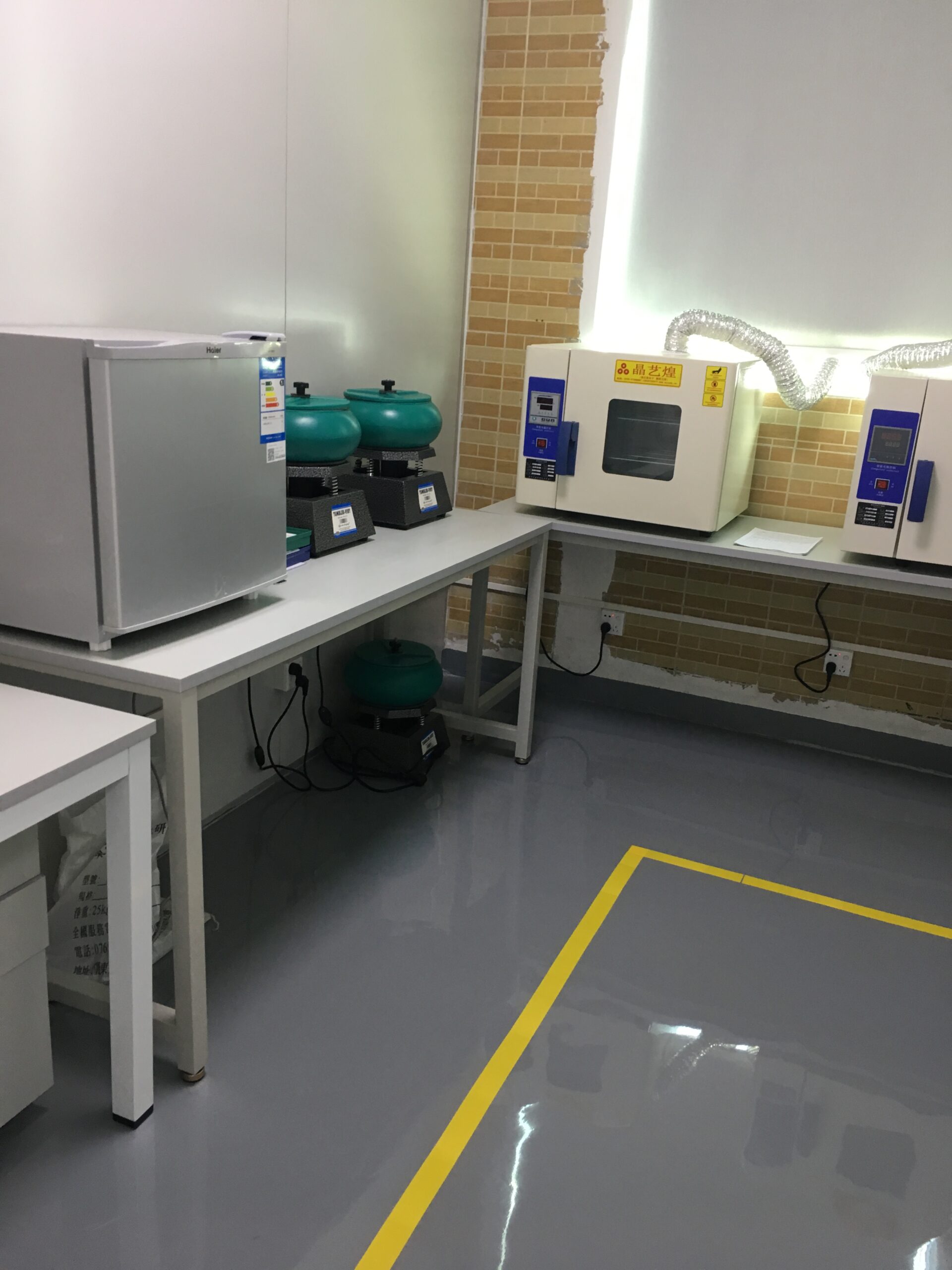

Licensing your brand name to a development partner is a different kind of trust than placing a purchase order. When you buy a development run, a bad outcome costs you money and time. When you license your name to a partner who then designs, produces, and markets products under it for years, a bad outcome costs you something harder to recover: how your brand is perceived by the people who already trust it.
In our experience helping brands conduct due diligence before licensing their name to a watch partner, the checklist that matters most covers design approval rights, quality standards, confidentiality, and the right to inspect samples before delivery. A typical development project stays to a small, considered range, with sampling priced per style.
That’s not a reason to avoid licensing — it’s a reason to be genuinely thorough before signing. Here’s what real due diligence looks like, organized by the areas that actually matter.
development Capability
This is the foundation everything else sits on, and it’s the area brand-side teams are often least equipped to evaluate, since it’s outside their usual expertise.
- Is this a real development partner, or a brand agency passing the whole project to a partner it doesn’t manage? Ask directly who designs, develops and assembles the watch, and who sees the complete design. A licensing partner that owns or closely controls its own development has far more accountability for the end product than one relaying your brand to a workshop it doesn’t manage.
- What’s their actual track record with watches specifically — not just development broadly? Ask for examples of prior work, ideally licensed or co-developed lines they can speak to concretely, not just a general capabilities pitch.
- Can they walk you through their quality control process in specific terms — inspection stages, defect tolerances, how issues get resolved — rather than a vague assurance that “quality is our priority”?
- Do they have design capability in-house, or will your brand’s design direction depend entirely on your own team’s input with no real development-side design partnership?
Financial Standing and Business Stability
A licensing relationship typically runs for years. It’s worth understanding whether the partner you’re signing with is likely to still be operating — and operating well — for the length of the term.
- How long has the company been in business, and does that history hold up to basic verification (business registration, years specifically in watch development, not just general operations)?
- What’s their client base like — established brands with visible market presence, or mostly unverifiable smaller accounts? A partner with other credible brand relationships is a reasonable positive signal, though you’ll want to be thoughtful about any confidentiality concerns before asking for specific references.
- Are they able to fund the minimum guarantee and marketing commitment they’re proposing, or does the deal only work if sales dramatically exceed realistic projections? An unrealistic guarantee offered to win the deal is a red flag, not a good sign.
Design Approval and Brand Control Terms
This is where most licensing disputes actually originate, and it’s worth being concrete here rather than accepting vague contract language.
- What does “approval” actually mean in the contract — a formal review step with a defined timeline, or something looser that could be interpreted as a courtesy notice rather than real control?
- What happens if you reject a design — is there a clear process and timeline for revisions, or does rejection just stall the relationship with no defined next step?
- Does approval cover marketing and retail presentation, or only the physical product? A watch that’s well-designed but marketed in a way that doesn’t fit your brand voice is still a brand risk.
- How are future collections handled — does each new design go through the same approval process as the first, or does approval rights taper off after an initial collection?
→ For the broader deal structure this checklist sits inside, see How Watch Brand Licensing Works.
Contract and Commercial Terms
Some of this overlaps with legal review, but there are specific questions worth raising directly with the partner before contracts are drafted, so there are no surprises once you’re in formal negotiation.
- What’s the term length, and what are the renewal conditions? Shorter initial terms with performance-based renewal generally protect you better than a long initial commitment with an unproven partner.
- What are the exit terms if the relationship isn’t working — is there a way out before the full term if performance or brand fit clearly isn’t there, or are you locked in regardless?
- What happens to unsold inventory and tooling if the agreement ends? This is easy to overlook at the start and genuinely painful to resolve after the fact if it isn’t addressed upfront.
- Is the royalty and guarantee structure clearly tied to verifiable sales reporting, with audit rights if you have reason to question the numbers?
Reputational and Reference Checks
Beyond documents and contracts, some of the most useful signals come from simply asking around — the same way you’d evaluate a watch development partner.
- Can they connect you with a current or former licensing partner willing to speak candidly about the relationship? A confident, well-run development partner generally won’t be reluctant to arrange this.
- What does their existing licensed or co-developed work actually look like in the market — not just what they show you in a pitch deck, but what’s genuinely available for sale and how it’s reviewed by actual customers?
- How do they communicate under pressure? It’s worth paying attention to how they’ve handled hypothetical scenarios you raise in early conversations — a partner who gives thoughtful, specific answers about how they’d manage a problem is a better signal than one who simply reassures you nothing will go wrong.
Putting It Together
None of this needs to happen in one meeting, and a serious partner will expect this level of scrutiny rather than being put off by it — a licensing partner who resists reasonable due diligence questions is itself useful information. Work through development capability first, since it’s the foundation everything else depends on, then move to financial stability, then contract terms, and use reference checks throughout as a way of validating what you’re being told.
The goal isn’t finding a partner with zero risk — no licensing relationship offers that. It’s finding one where the risks are visible, addressed in writing, and small enough relative to the upside that putting your brand name on their work is a decision you can stand behind.
→ If you’re still weighing whether licensing is the right structure at all versus co-development or building in-house, this framework may be worth reading first.
Evaluating us as a potential partner? Get in touch — we’re glad to work through every item on this list directly, including connecting you with brands we’ve worked with.
Frequently Asked Questions
Work through development capability, financial standing, design approval and brand control terms, contract and commercial terms, and reputational/reference checks. The goal is confirming the partner can deliver quality over a multi-year relationship, not just sign a deal.
Ask about the development lines and quality systems that support your category, the brands they currently produce for, and how they handle design changes and defect rates. Visit or audit where possible, and confirm their equipment can actually produce the finish quality your brand requires.
A partner resistant to design approval rights, vague minimum royalty guarantees, poor references, unclear quality control standards, or a weak financial position that threatens long-term stability. Most licensing disputes start with loose contract and control terms, so be concrete there.
Sources: Brand extension concept reference; Federation of the Swiss Watch Industry industry data.
Related: How licensed watch development works — approvals, timelines and IP protection