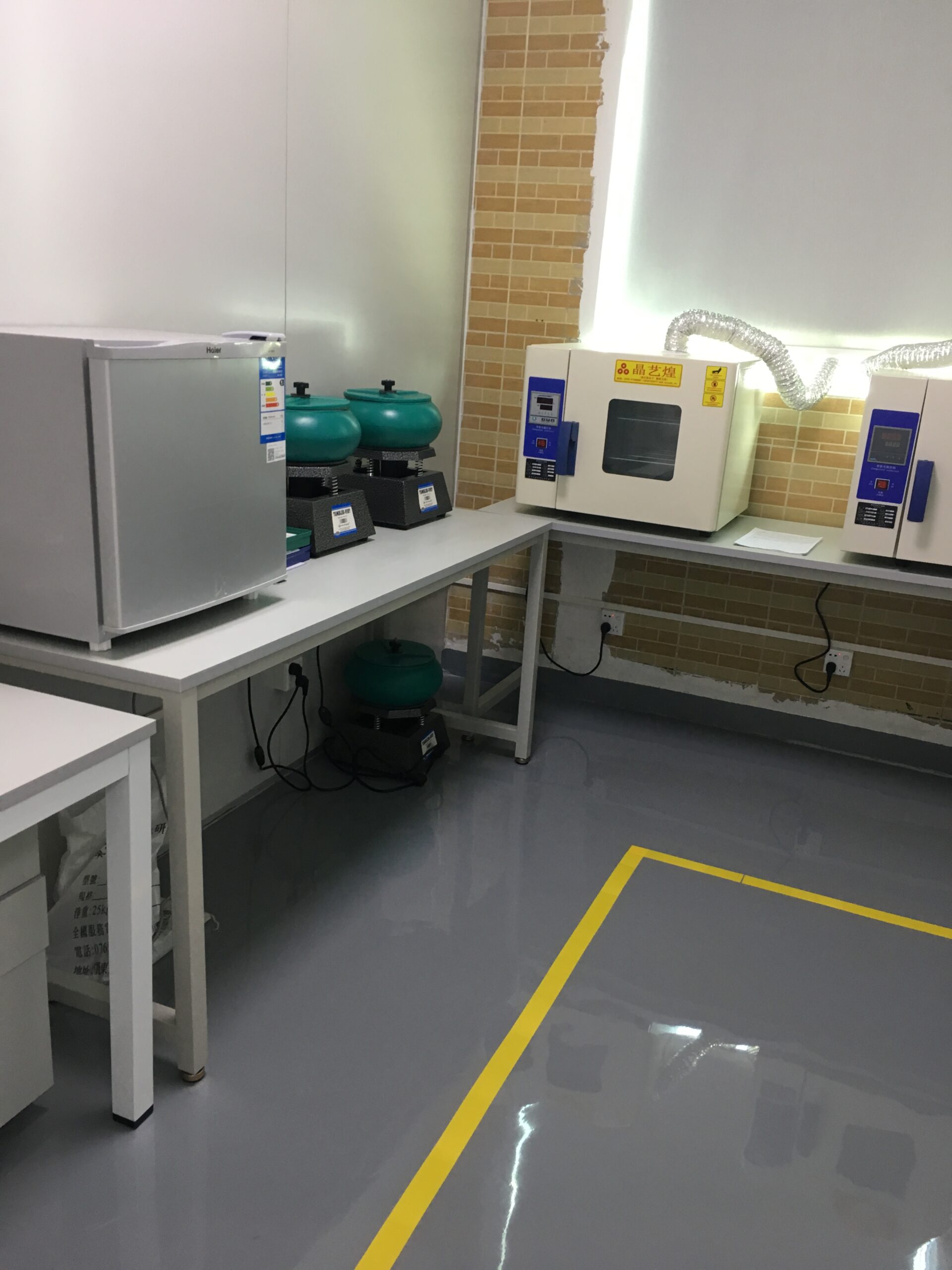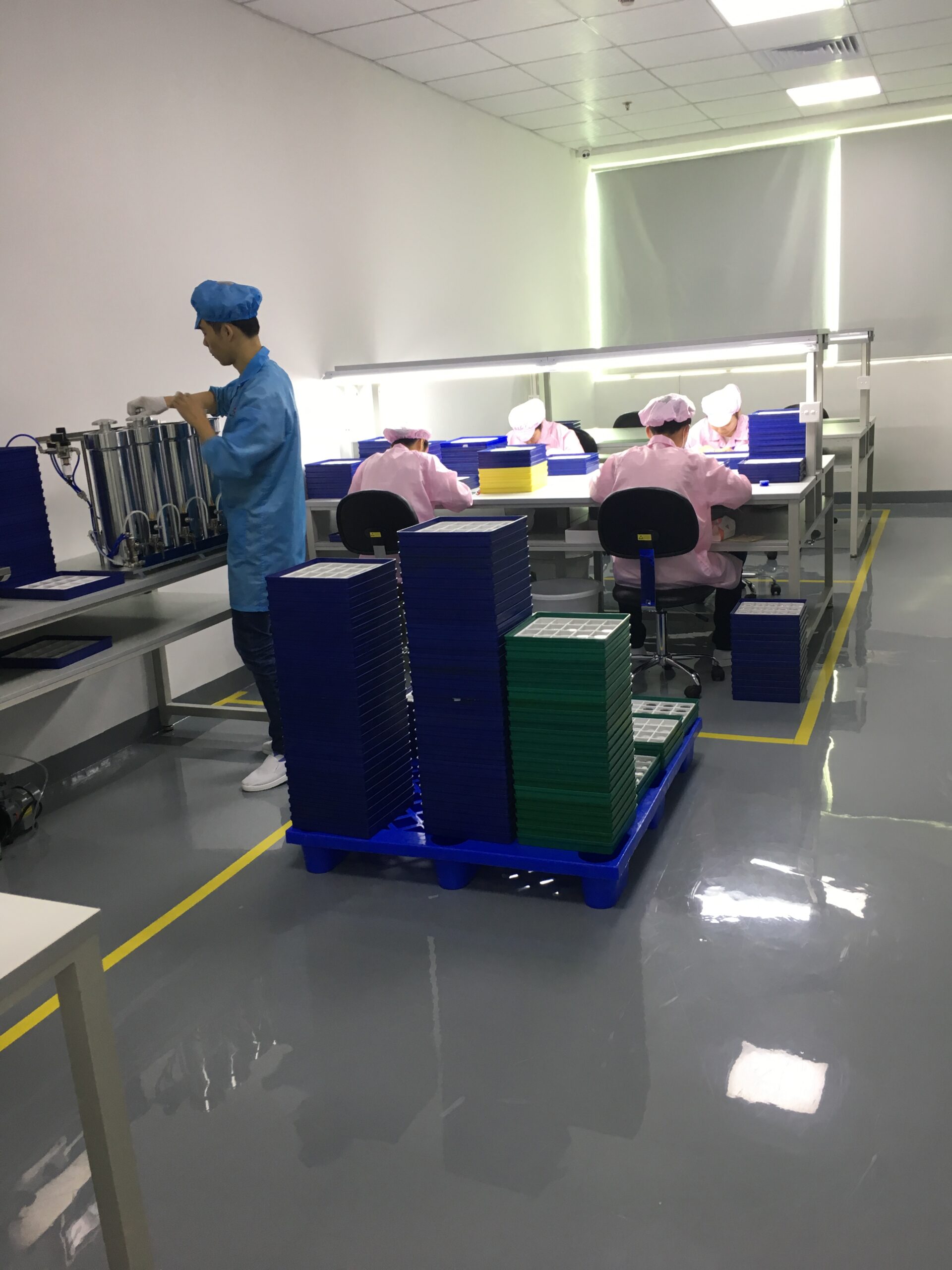
Watch sample development is the stage where an approved design becomes a physical watch, made in final materials, that you can hold, wear and approve before production begins. For a brand watch it usually takes around 30–45 days, and the sample you sign off becomes the reference every production piece is checked against.
Across the brand and licensed projects we’ve supported, more is decided well or badly at this stage than at any other. It is the first time a design decision stops being theoretical — and the least costly point at which to change it.
Where the Sample Stage Sits
| Stage | What happens | Typical timing |
|---|---|---|
| Design and approval | Renderings and drawings revised until you — and any licensor — sign off | Allow a month or more |
| Sample development | A physical sample in final materials; production quantity confirmed in parallel | Around 30–45 days |
| Production | Every piece made and checked against the approved sample | Around 45–60 days |
What a Brand Sample Is — and Isn’t
A rendering shows intent. A sample shows the result: real metal, real dial printing, real strap leather, the real movement. It is not a rough prototype to be interpreted — it is built to represent the finished watch as closely as possible, so that what you approve is what you will receive.
That is also why the first sample rarely matches the rendering exactly. Colours shift between screen and metal, finishes read differently under real light, and a strap can feel different on the wrist than it looked in a mockup. Finding that now is the point of the stage.
What to Check When the Sample Arrives
- Colours — compare against your brand references in daylight, office light and in the evening, not only in one photo
- Logo and artwork — size, position, sharpness, spacing at actual size on the wrist
- Proportions — case size and thickness, how it sits on different wrists
- Finishes — polished and brushed areas, edges, the feel of the crown and clasp
- Strap or bracelet — comfort, length, the buckle or clasp branding
- Packaging — if the box is developed alongside, check watch and box together as one product
A useful habit: have two or three people from your team look at the sample separately before giving feedback. One reviewer tends to fix on the first detail they notice and miss what a second person sees immediately.
Revision Rounds
If something needs to change, we agree exactly what and why — whether it is a material limit that needs a design adjustment or a detail that simply needs correcting — and produce a revised sample before anything moves forward. One or two rounds of adjustment at this stage are normal. What matters is that each round is specific, so it narrows the remaining differences instead of reopening the design.
A real example: for a menswear brand selling through several hundred stores, the first sample’s dial logo looked ordinary next to the brand’s leather goods. We changed how the logo was applied on the dial and the caseback, and the second sample was approved with the overall design unchanged. Read the full story.
If you are working under a licence
On licensed and co-branded projects, the sample usually goes to the licensor or partner brand for sign-off as well. We prepare it for that review — final materials, accurate colour references — and keep a written record of the approval. See what licensors control and approve.
Plan Production While the Sample Is Being Made
The brands that move fastest confirm their production quantity during the sample stage, not after it. With the quantity and the production structure settled while the sample is made, production can start as soon as the sample is approved — and if early interest calls for more samples or an earlier delivery, the plan is already in place.
Once the sample is approved, most first runs are between 100 and 300 pieces per design.
What Sample Development Costs
Sampling is part of the one-time development fee for each design, together with tooling for any custom parts. For most projects that fee starts from around $500 and often sits around $1,000, depending on how many parts are made specifically for your design. We quote it after seeing the design. See how a brand watch is costed and quoted.
After Approval
Your approved sample becomes the production reference. Every piece in the run is made and checked against it — not against a description or a rendering. Production then takes around 45–60 days.
Related: How watch collection development works, from first conversation to delivery
Frequently Asked Questions
How long does watch sample development take?
Usually around 30–45 days from an approved design to a physical sample in final materials.
What is the difference between a sample and a prototype?
A prototype tests an idea and may use stand-in materials. A brand sample is made in final materials to represent the finished watch, and once approved it becomes the reference for production.
Why doesn’t the first sample match the rendering exactly?
Colours and finishes behave differently in metal, leather and printed dials than on a screen. Finding those differences before production is what the sample stage is for.
How many sample revisions are normal?
One or two rounds of adjustment are common. Each round should be specific, so it narrows the differences rather than reopening the design.
How much does a watch sample cost?
Sampling is part of the one-time development fee per design, together with tooling for custom parts. It typically starts from around $500 and often sits around $1,000, depending on the design.
Should we confirm the production quantity before the sample is approved?
We recommend confirming it during the sample stage, so production can start as soon as the sample is approved. Most first runs are between 100 and 300 pieces per design.
Does a licensor need to approve the sample?
On most licensed projects, yes. We prepare the sample for licensor review and keep a written record of the sign-off.
Ready to Move From Design to Sample?
Send us your design or references and the quantity you have in mind. We’ll tell you what the sample stage will involve for your watch and how long to allow.